
We are open for in-office and Telehealth visits!
We are back in the office and ready and looking forward to seeing you again! We have expanded our hours and are taking every precaution to keep us all safe....
21 May, 2020 / No comment



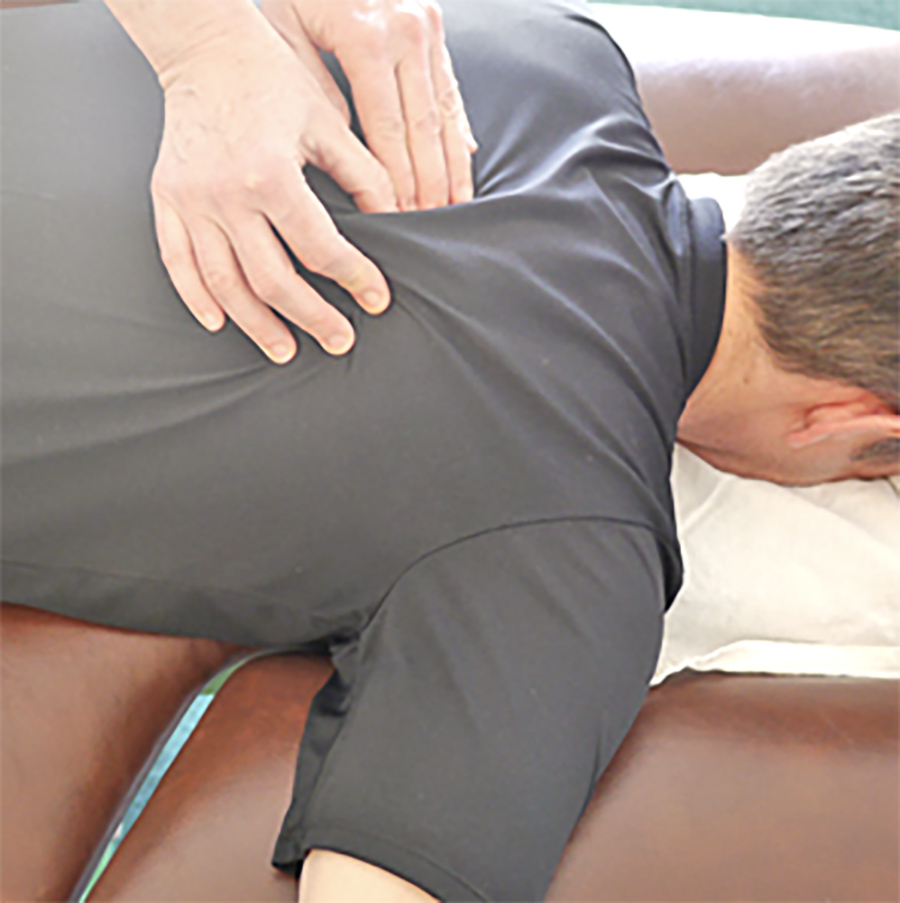
Amy Selinger describes how growing up in our modern society, sitting and cumulative trauma may lead us to develop muscle imbalances that lead to musculoskeletal pain; particularly back pain.
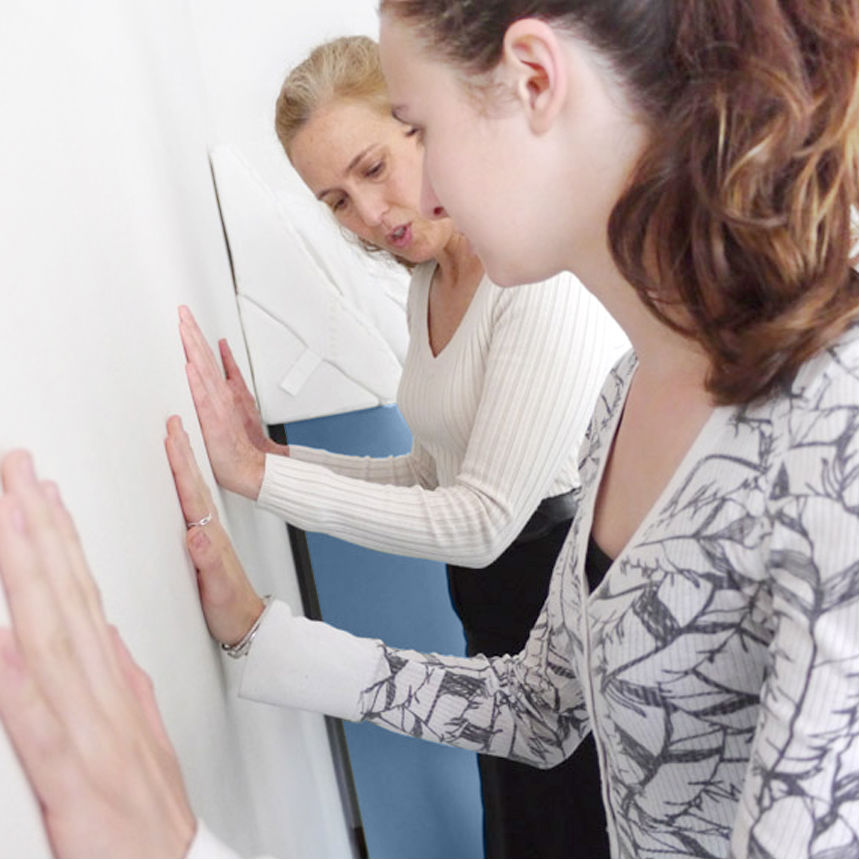
With 30 years of experience specializing in back, hip and pelvic pain, Amy Selinger appreciates that many treatment techniques thought to be standard approaches to back pain don’t always work. Using the Movement System Balance approach she evaluates individuals with musculoskeletal pain syndromes to determine how they move their bodies in ways that contribute to their imbalance.
We are back in the office and ready and looking forward to seeing you again! We have expanded our hours and are taking every precaution to keep us all safe....
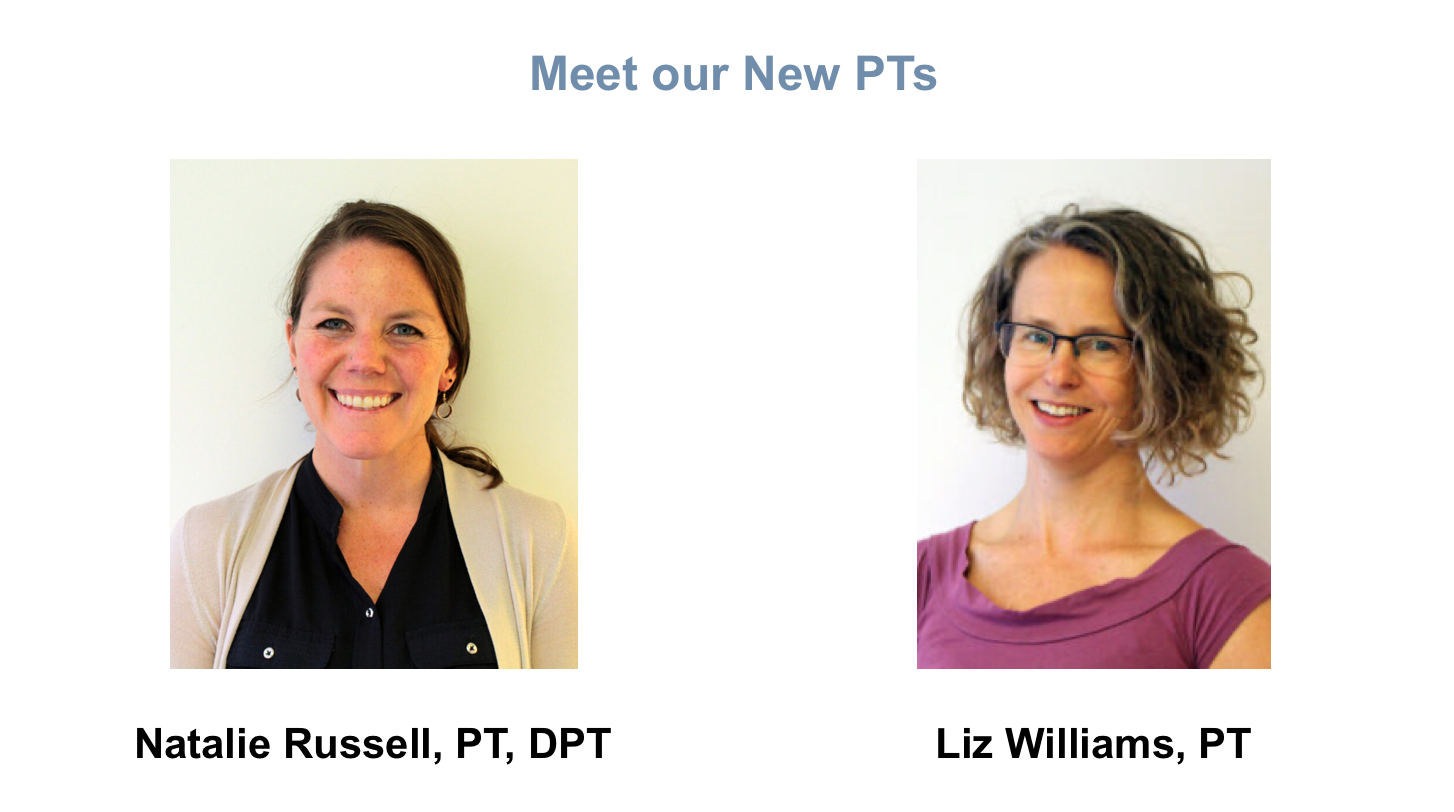
Do you know the other practitioners in our building? Happy Holidays! As 2019 comes to a close, we want to share some changes that occurred in 2019....
Like many of you, my heart has been rocked by recent tragedies in the world. From the hurricane in Puerto Rico to the mass shooting in Las Vegas, sometimes it seems that death and injustice are everywhere....
(510) 601-1288
Office@BackToLife.net
Back To Life: San Francisco
870 Market Street, Suite 709
San Francisco, CA 94102
DIRECTIONS
Back To Life: Oakland
403 49th Street
Oakland, CA 94609
DIRECTIONS